


How Does Wind Power Generation Work?
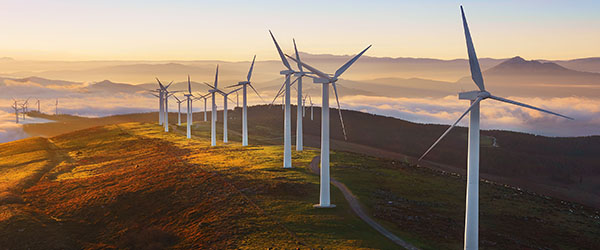
Wind is one of America's biggest sources of green power. Here's a look at how it works — and a quick overview of how you can match your home's electricity use with a green plan.
How is electricity generated from wind?
Those tall white turbines on the horizon do more than add to the scenery. Here's a quick look at how wind generates electricity, how much of the U.S. grid it supplies, and how you can support renewable energy at home.
Wind power in a nutshell
It's simpler than it looks. Wind turns the blades of a turbine, the blades spin a generator, and the generator creates electricity. That electricity travels over power lines to homes and businesses, just like power from any other source. No fuel is burned along the way.
How wind fits in America's power mix
Wind is a growing part of the power mix in the U.S. In 2025, wind generated roughly 10% of U.S. electricity, which made it bigger than utility-scale solar. Together, wind and utility-scale solar supplied about 17% of the nation's power, according to the Energy Information Administration (EIA). Wind is now a regular part of the energy that keeps the lights on.
Choose renewable energy for your home
You don't need a turbine in your backyard to support clean energy. When you choose an IGS Energy electricity plan, you can add our optional renewable energy credits (RECs).
Here's how it works:
- Start with a fixed rate. Protect your budget from market swings.
- Pick the term that fits. Choose 12, 24, or 36 months.
- Add optional renewable energy credits (RECs). IGS Energy's RECs are tracked and vetted to match your electricity use with 100% U.S. renewable energy.
It's a simple way to put your energy choices behind the clean power you care about.
Ready to get started? See how our RECs work or view plans to find the right electricity option for your home.